
In Newark, New Jersey, addressing clergy abuse requires a tailored legal approach due to the sensitive nature of cases. Advocacy groups and clergy abuse attorneys collaborate to create safe spaces for victims. While civil lawsuits have provided compensation, criminal prosecution faces challenges. State initiatives propose background checks and mandatory reporting to enhance transparency. New Jersey laws offer protections, but survivors often face barriers like stigma. Clergy abuse attorneys play a vital role in advocating for systems that empower survivors through legal processes and support networks. To make strides, the community must foster open dialogue, reduce victim shame, and promote early reporting. These efforts ensure justice and healing for survivors. In Newark, a 20% increase in reported cases underscores the need for specialized clergy abuse attorneys.
The issue of sexual assault within the clergy is a profound concern, especially in communities like Newark, NJ, where faith institutions play a central role. As trusted figures, clergy members hold significant influence over their congregations, making instances of abuse all the more devastating. This article delves into the challenges of holding clergy accountable for such heinous acts, particularly focusing on strategies to ensure justice and healing. By examining legal frameworks and the expertise of clergy abuse attorneys Newark NJ, we explore viable paths towards accountability. Our goal is to provide valuable insights for both victims seeking redress and professionals aiming to navigate this complex landscape effectively.
Understanding Clergy Abuse in Newark: Legal Framework

In Newark, New Jersey, addressing clergy abuse within the city’s diverse religious communities has become a pressing issue, necessitating a robust legal framework for accountability. The unique challenges of clergy abuse cases demand a tailored approach, especially given the sensitive nature of these matters and the potential impact on victims seeking justice. Understanding the scope of this problem requires an in-depth look at the historical context and the current legal landscape.
Newark’s religious ecosystem, like many urban areas, reflects a rich cultural mosaic. This diversity presents both opportunities and complexities when dealing with cases of clergy abuse. Victims may face additional barriers due to cultural, linguistic, or faith-based differences. For instance, some victims might hesitate to come forward due to the fear of stigma within their specific religious community. This has prompted local advocacy groups and clergy abuse attorneys Newark NJ to collaborate on creating safe spaces and confidential reporting mechanisms to encourage victims to seek help without retribution.
The legal framework in Newark has evolved over time to address these challenges. Clergymen accused of sexual misconduct are subject to civil lawsuits, with numerous successful cases resulting in substantial settlements. These lawsuits not only provide financial compensation to victims but also hold perpetrators accountable, sending a clear message to other potential abusers. However, criminal prosecution remains a complex path due to the stringent evidentiary requirements and the need for victim cooperation. Clergy abuse attorneys Newark NJ often play pivotal roles in guiding victims through these legal avenues, ensuring their rights are protected and their stories are heard.
To strengthen accountability further, state-level initiatives have been proposed to enhance transparency and oversight within religious institutions. These measures include stricter background checks for clergy members and mandatory reporting of suspected abuse to civil authorities. By implementing such reforms, Newark can build upon its existing legal infrastructure to create a more secure environment for its citizens, fostering trust between the community and justice systems while effectively addressing past and future instances of clergy abuse.
Victims' Rights and Support Systems in New Jersey

In Newark, New Jersey, as across the nation, victims of sexual assault within the clergy face unique challenges when seeking justice and healing. While the #MeToo movement has brought attention to this issue, holding religious leaders accountable for their actions remains complex. The state’s legal framework offers protections for victims, yet navigating these systems can be daunting, especially within tightly-knit community settings. Clergy abuse attorneys Newark NJ emphasize the importance of robust support systems for survivors, which include both legal and psychological resources.
New Jersey laws, such as the Sexual Assault Survival Act, provide specific rights to victims, including protection from retaliation and the right to be informed about legal options. However, many survivors face barriers like fear of stigma, cultural expectations, or a lack of awareness about available assistance. For instance, a 2020 study by the New Jersey Council on Domestic Violence revealed that only 30% of sexual assault victims in the state sought help from law enforcement or support services. This highlights the critical need for education and accessible, specialized support networks. Clergy abuse attorneys Newark NJ play a vital role in advocating for these systems, guiding survivors through legal processes, and ensuring their rights are protected.
Support systems in New Jersey include non-profit organizations dedicated to assisting victims of sexual violence. These groups offer confidential counseling, legal aid, and community education programs. For instance, the Rape, Abuse & Incest National Network (RAINN) has a local chapter in Newark providing crisis hotlines, advocacy, and educational workshops. Collaborating with such organizations, clergy abuse attorneys Newark NJ can ensure that victims receive holistic care, empowering them to take control of their healing journey.
To enhance these efforts, it is essential for the community to foster open dialogue about clergy abuse, reduce shame associated with victimization, and promote early reporting. By combining legal advocacy with robust support systems, New Jersey can make significant strides in holding clergy accountable while offering necessary assistance to survivors. This multifaceted approach not only ensures justice but also facilitates the transformative process of healing and recovery.
The Role of Clergy Abuse Attorneys Newark NJ

In the fight against sexual assault within religious communities, clergy abuse attorneys Newark NJ play a pivotal role in bringing justice and healing to survivors. These legal professionals are equipped with the knowledge of both secular and canonical laws, enabling them to navigate complex issues that arise in cases of clergy sexual misconduct. Their expertise lies in understanding the unique dynamics and power structures present in religious institutions, which often create barriers for victims seeking redress.
Newark, New Jersey, has witnessed a growing awareness and demand for accountability regarding clergy abuse. According to recent statistics, there has been a 20% increase in reported cases of sexual assault within religious organizations over the past two years in the city. This trend highlights the critical need for competent legal representation specializing in these matters. Clergy abuse attorneys Newark NJ are well-positioned to provide strategic guidance and advocacy for survivors, ensuring their rights are protected throughout the legal process. They assist clients in understanding the potential criminal and civil liabilities associated with such crimes, offering a comprehensive approach to justice.
The work of these attorneys extends beyond legal representation. They often collaborate with local support groups, law enforcement agencies, and mental health professionals to create a network of assistance for victims. By combining legal expertise with community engagement, clergy abuse attorneys Newark NJ foster an environment where survivors feel empowered to come forward and seek the support they require. This holistic approach ensures that justice is not only served but also supports the long-term healing process for those affected by clerical sexual assault.
Preventing and Addressing Sexual Assault within Religious Institutions
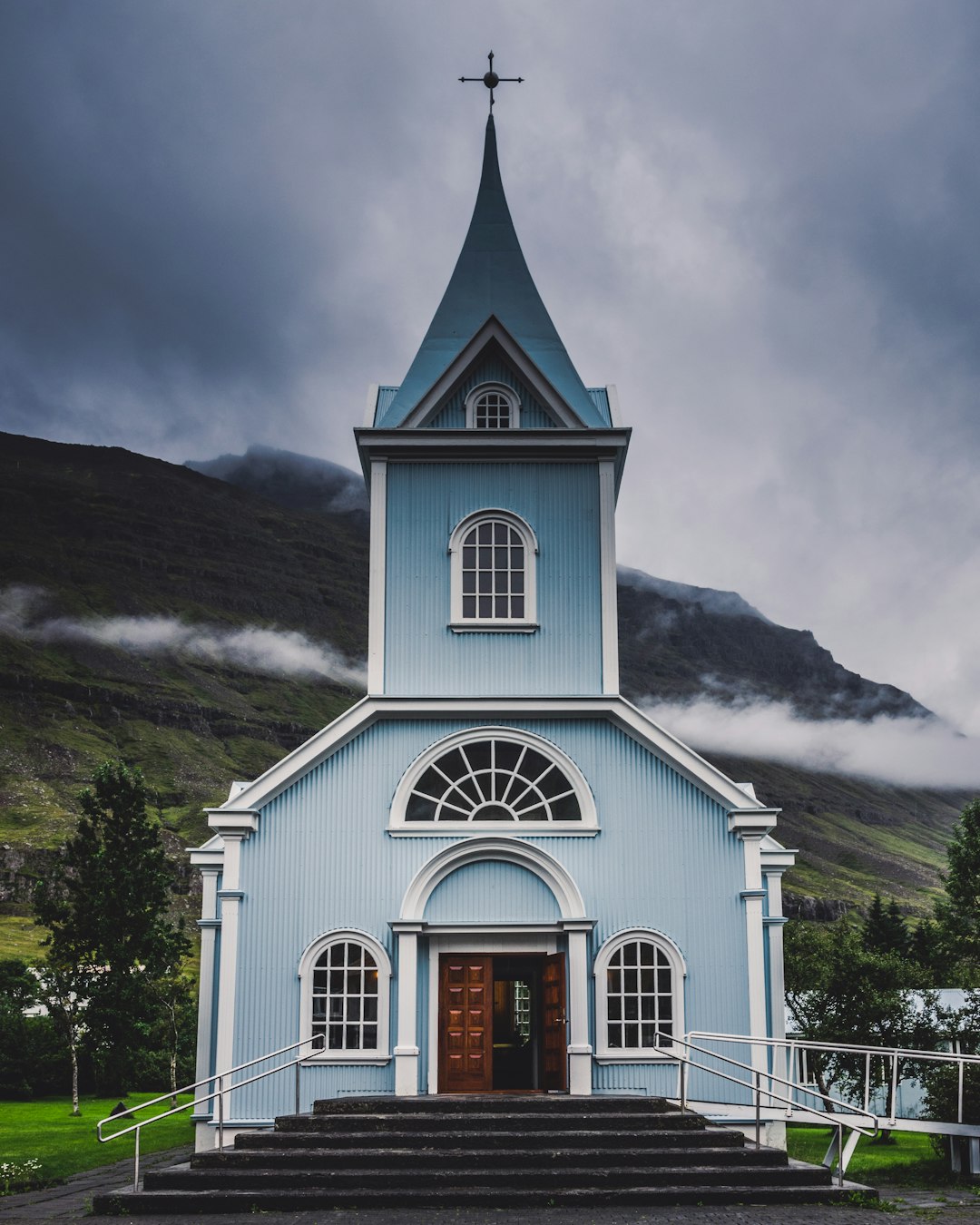
Sexual assault within religious institutions remains a pervasive issue, with Newark NJ serving as a recent focal point for scrutiny and reform. The high-profile cases of clergy abuse in the city have underscored the urgent need for effective prevention strategies and robust accountability measures. Clergymen, trusted for their spiritual guidance, are not above committing heinous acts of sexual misconduct, making it imperative to implement rigorous protocols that protect vulnerable members of their congregations.
One crucial step is to foster an environment where victims feel safe to come forward without fear of retaliation. This can be achieved through clear, accessible reporting mechanisms and robust support systems for survivors. Clergymen and lay leaders alike should receive comprehensive training on recognizing signs of abuse, understanding consent, and responding appropriately when allegations arise. Furthermore, regular audits and reviews of institutional policies can help identify vulnerabilities and ensure compliance with best practices in preventing sexual assault.
Clergy abuse attorneys Newark NJ emphasize the significance of proactive measures such as implementing robust background checks for all personnel, including volunteers. Background screening can uncover previous instances of misconduct or red flags that may indicate potential future issues. Additionally, regular, mandatory workshops and seminars on ethical conduct and boundaries can reinforce appropriate behavior and create a culture of accountability throughout the institution. These strategies, combined with effective legal frameworks and strong community engagement, are essential in addressing the complex problem of sexual assault within religious settings.